Guides
Powder Coating and Industrial Painting Guides
Practical answers for buyers and engineers: how the process works, what drives cost, how to call out a finish, and how mil-spec systems like CARC fit together.
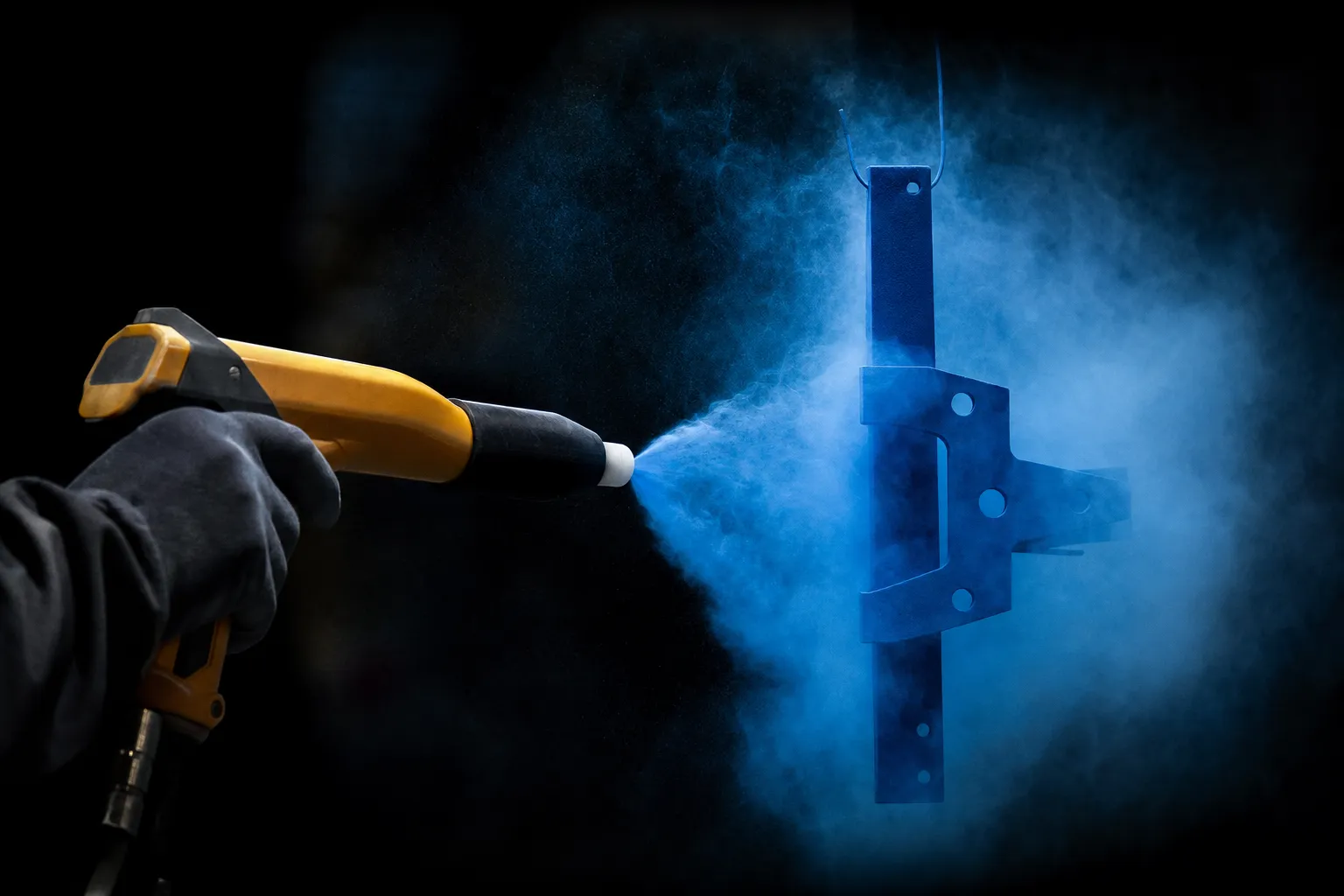
What Is Powder Coating? How the Process Works, Step by Step
Powder coating is a dry, solvent-free finish that is sprayed electrostatically onto a grounded metal part and then baked into a hard, cross-linked film. Here is what happens at each step, and what it means for your drawing.
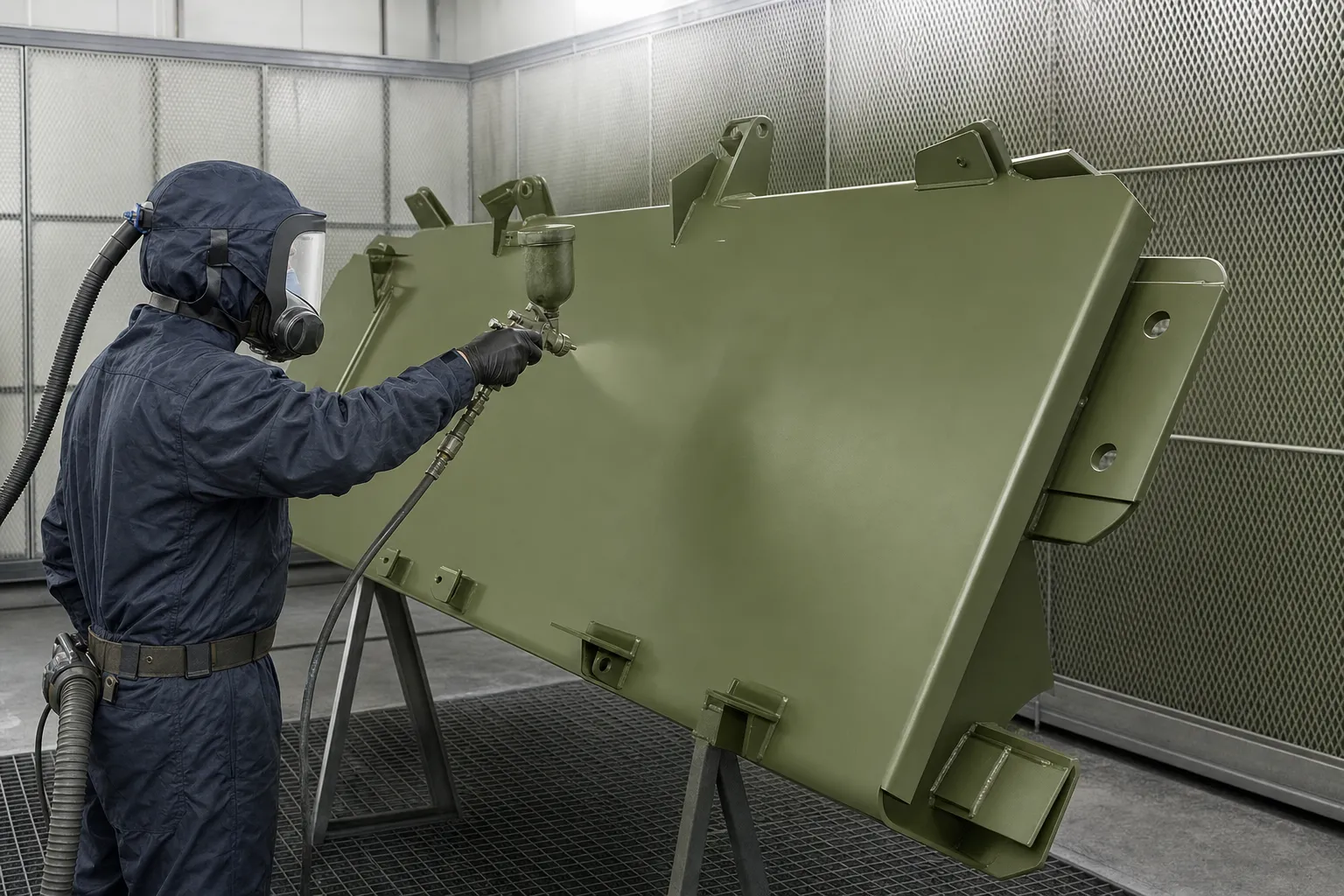
CARC Paint Explained: The Full Chemical Agent Resistant Coating System
CARC is not a color or a single can of paint. It is a qualified system of pretreatment, epoxy primer and polyurethane topcoat, applied and inspected to MIL-DTL-53072. Here is how the pieces fit and what to put on the drawing.
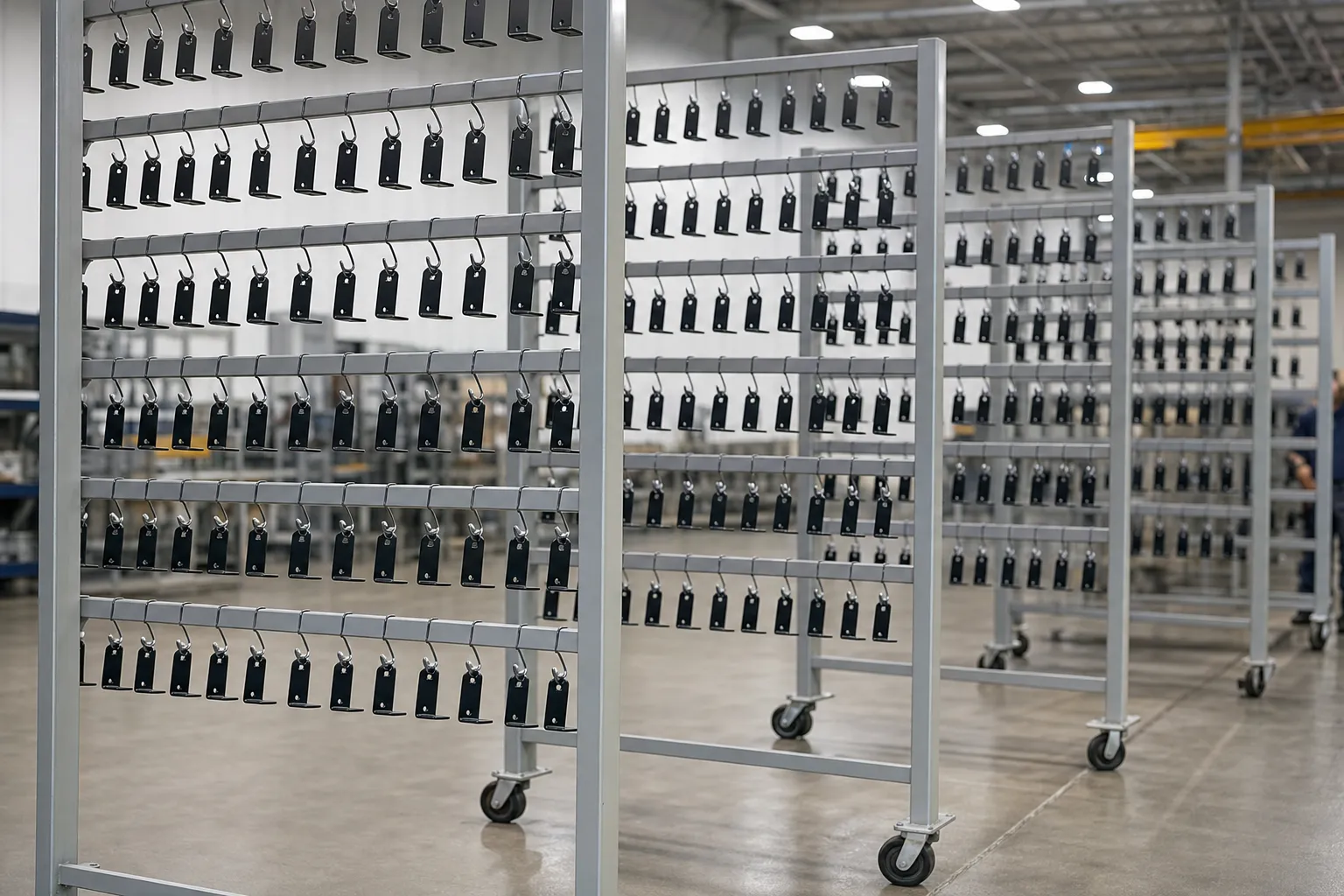
What Drives Powder Coating Cost on a Production Job
Powder coating price is mostly a question of how many good parts move through the line per hour. Here is what moves that number, and what you can put on an RFQ to get a firm piece price quickly.
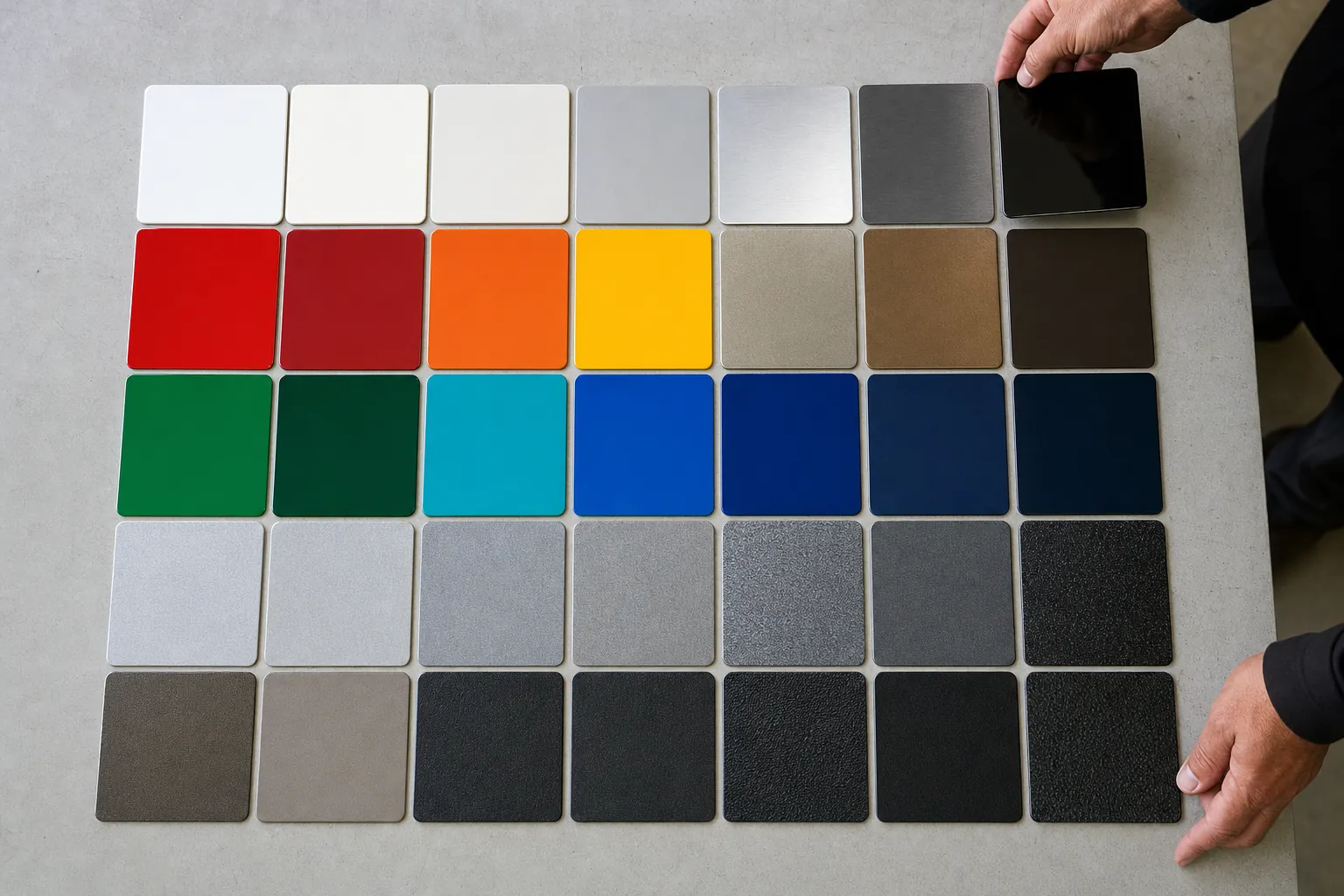
Cardinal Powder Coating: Codes, Chemistries and Color Ordering
A Cardinal product code tells you the resin and the color, and the data sheet behind it tells you how it cures and how it performs. Here is how to read both before you put a powder on a drawing.
Powder Coating vs. Liquid Paint for Production Runs
An honest side-by-side from a shop that runs both: where powder wins on a production run, where wet paint is the better call, and the questions that settle it for your part.
What Metals Can Be Powder Coated?
Steel, aluminum, galvanized, stainless and cast parts can all be powder coated. What changes from one metal to the next is the prep, and a few kinds of parts should not go in a 400°F oven at all.
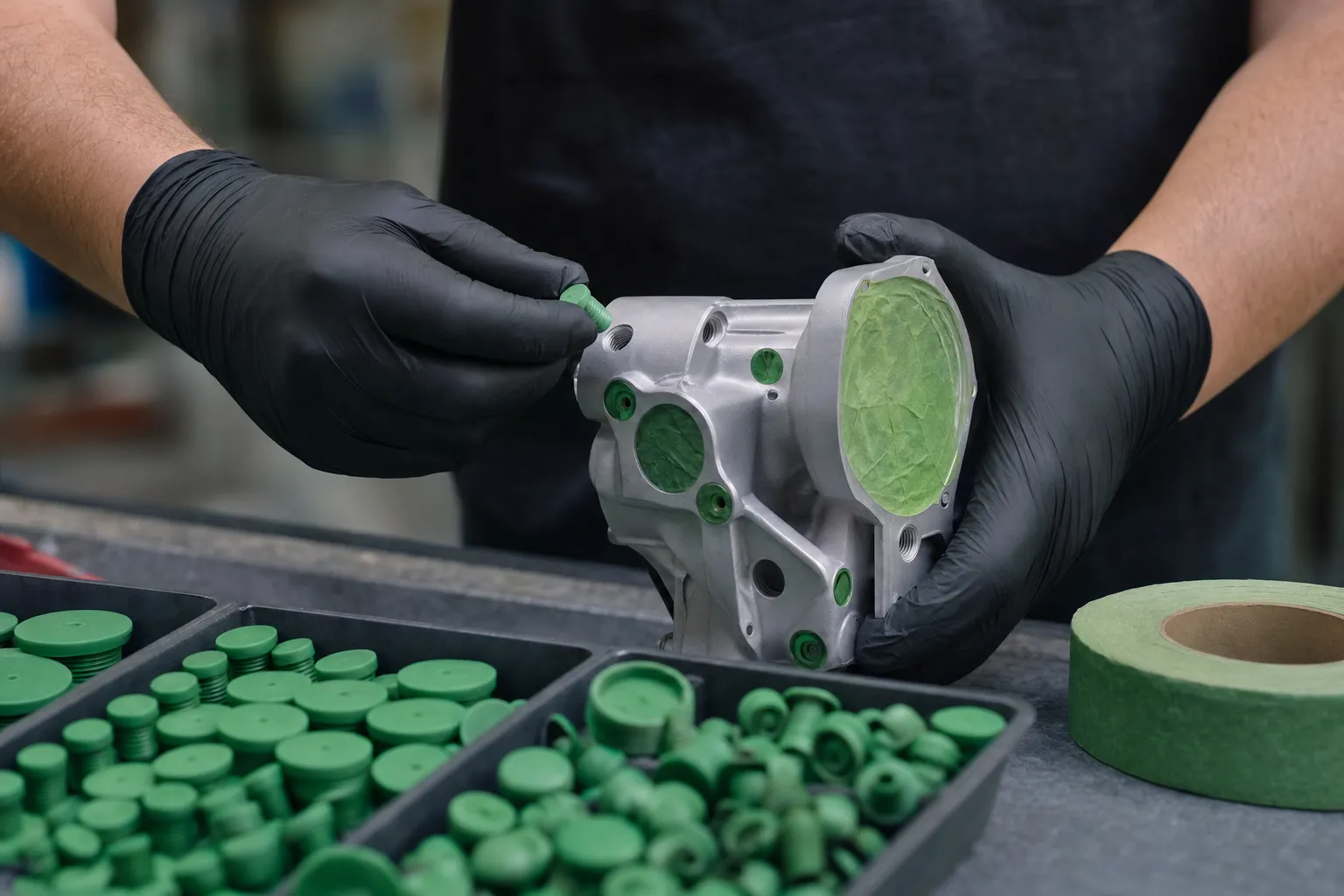
Powder Coating Masking: What to Mask and How to Call It Out
Masking decides whether a coated part assembles on the first try. This guide covers what to mask, which method fits each feature, how masking affects your piece price, and how to put it on the drawing so every batch comes back the same.
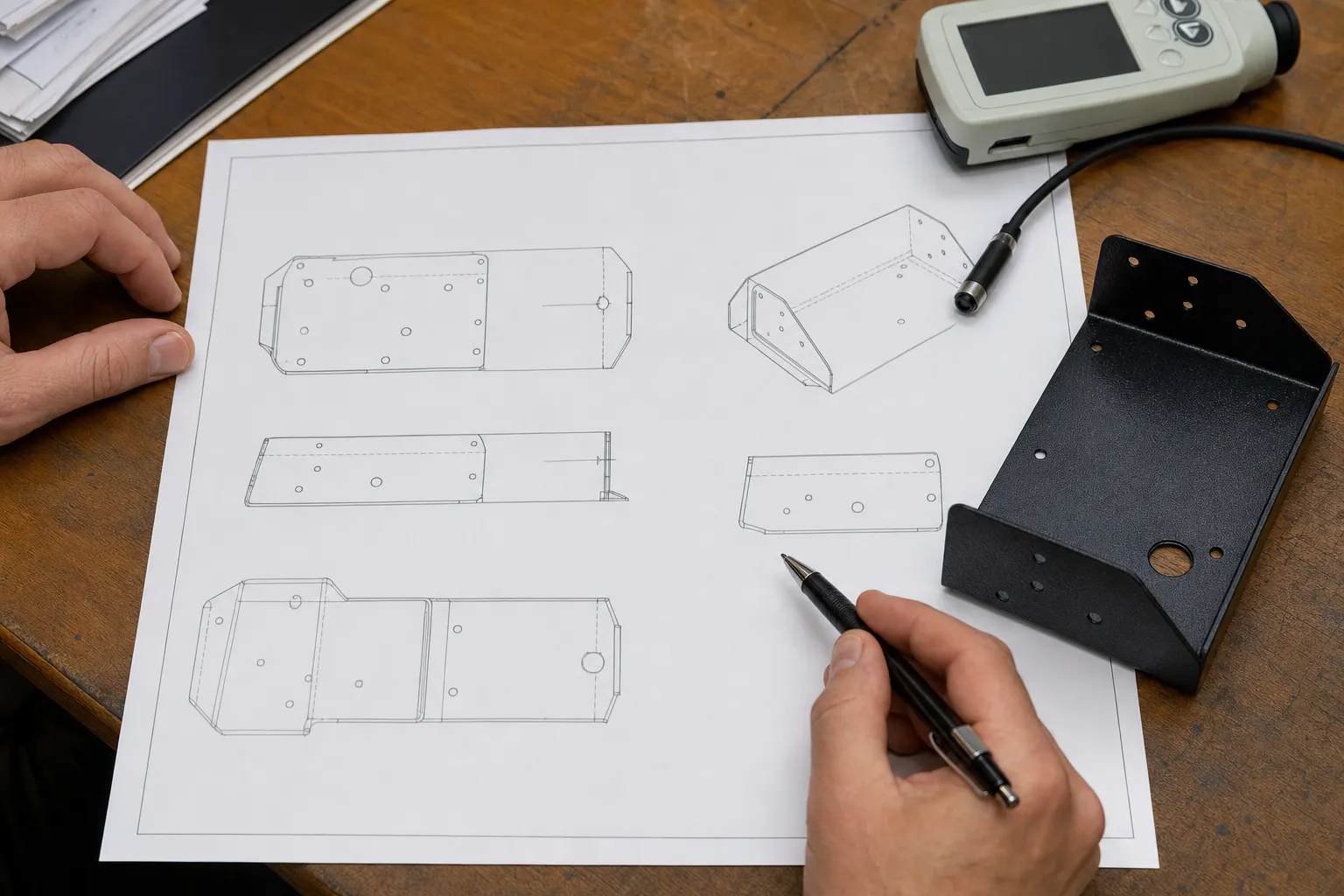
Powder Coating Specifications: What to Put on a Coating Callout
A complete coating callout answers every question a finisher would otherwise have to ask. Here is what belongs on the drawing or PO, why each item matters, and a checklist you can copy into your next RFQ.
Designing Parts for Powder Coating: A DFM Guide for Engineers
Most powder coating rejects and a lot of finishing cost are decided on the drawing, long before a part reaches the booth. Here is what to design in, and what to call out, so parts coat cleanly, fit after coating and rack fast.
AMS-STD-595 (FED-STD-595) Colors: 34094, 33446, 37038 and More
A five-digit federal color number tells you the gloss, the color family and the shade, but not the coating. Here is how to read the numbers, which military colors come up most, and how to put one on a drawing so the part comes back right.
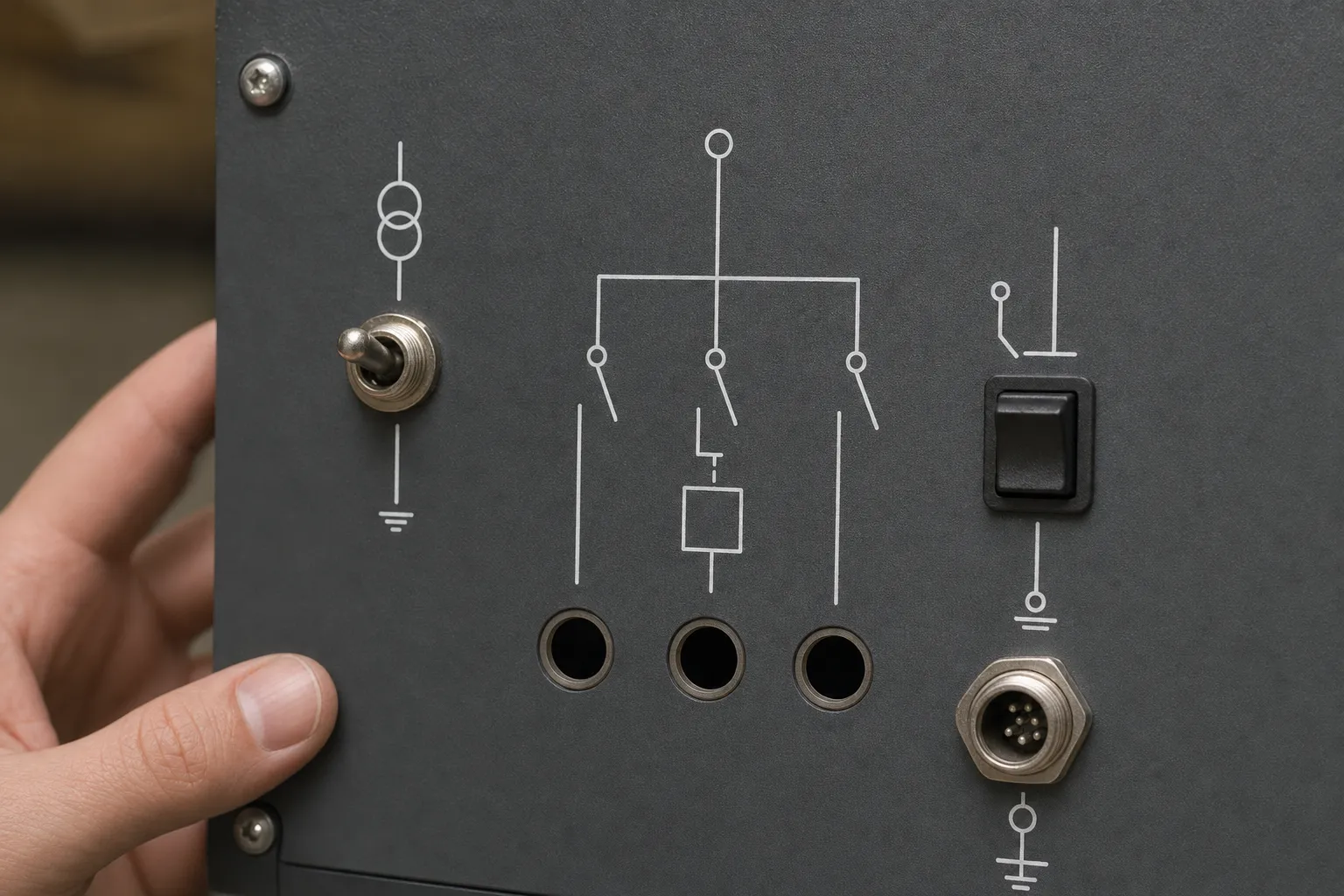
Screen Printing on Painted and Powder Coated Metal
A legend is only as good as the coating under it. This guide covers how coating, ink, artwork and fixturing decide whether legends on metal parts stay sharp, and what to put on the drawing.
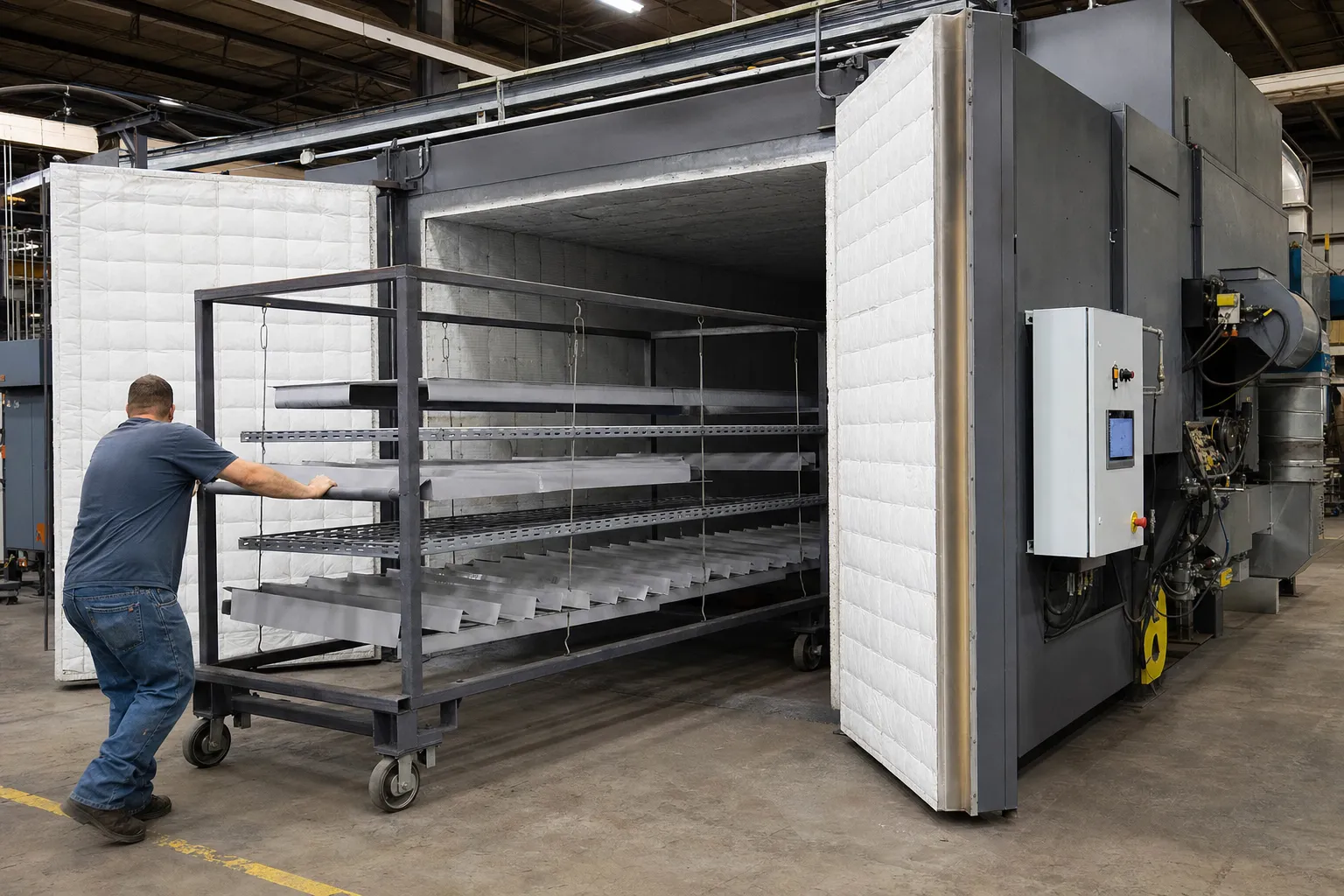
Powder Coating Galvanized Steel and Castings Without Outgassing
Hot-dip galvanized parts and castings hold air and moisture that escape in the cure oven and leave pinholes. Most of that is preventable with the right instructions to your galvanizer, the right prep, a pre-bake, and sometimes a primer.